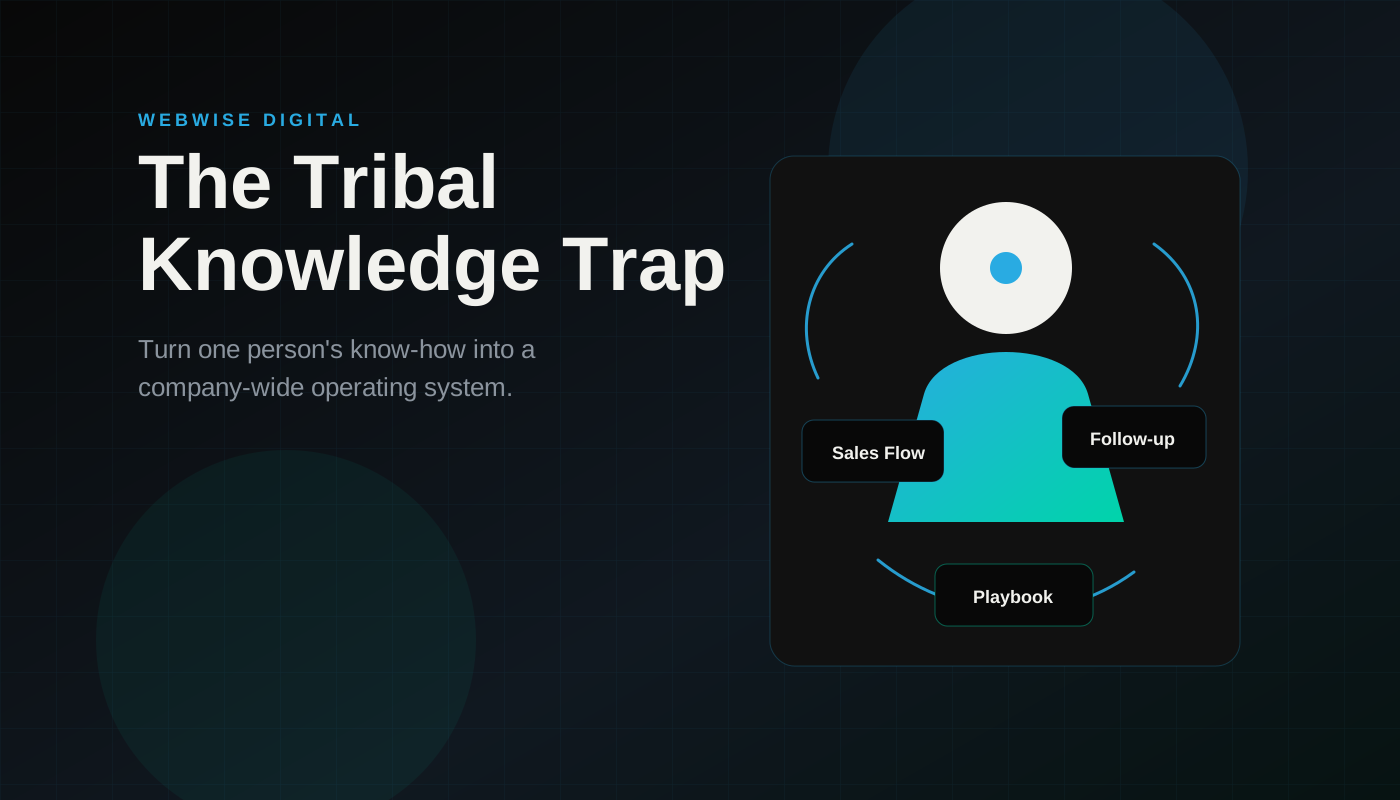
- Tribal knowledge makes small firms dependent on people, not process.
- The first fix is simple: record the task before trying to automate it.
- Webwise helps businesses turn repeat work into playbooks, WhatsApp flows, and follow-up systems.
Tribal knowledge is the work know-how trapped inside one person's head.
It shows up when only one receptionist knows the follow-up process, only one salesperson knows the client handoff, or only one manager knows how to fix daily issues.
That person may be excellent. But if your business depends on them to remember, repeat, and rescue everything, your growth is fragile.
The answer is not more AI. The answer is a better system.
You need to turn individual talent into a company-wide operating system.
Why tribal knowledge becomes a risk
Most local businesses do not break because the owner is lazy. They break because the important work is invisible.
A clinic may lose patient enquiries because only one staff member knows how to handle missed calls. A salon may lose repeat bookings because only one person knows when to follow up. A real estate team may lose leads because only one salesperson remembers which buyer needs which property.
When that person is busy, absent, or leaves, the system stops.
That is the tribal knowledge trap.
This is why process documentation matters. Atlassian's process documentation guide highlights that documented steps help teams keep work consistent and reduce knowledge loss when people leave.
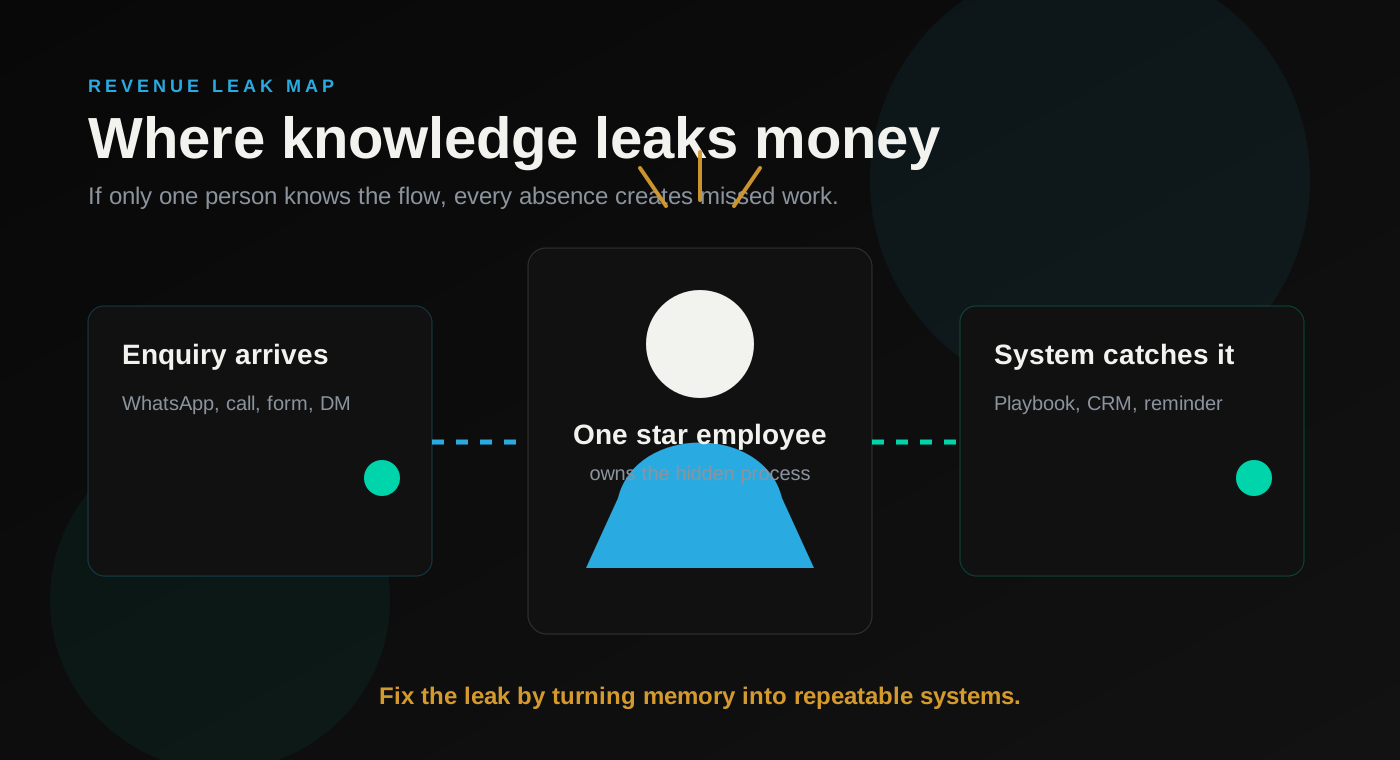
If the process only lives with one person, every delay creates a leak.
The 3-step Knowledge Vault framework
1. Record
Ask your best team members to record a 3-minute Loom video while doing their most important tasks.
Do not overthink this. The first goal is capture, not polish.
Start with tasks like replying to a new lead, booking an appointment, handling a missed call, sending a payment reminder, asking for a review, or handing off a client to the next person.
2. Process
Turn each recording into a simple playbook.
A good playbook should include when the task starts, who owns it, exact steps, message templates, tools used, common mistakes, and what done means.
This makes the work searchable, repeatable, and easier to train.
3. Distribute
Move the playbook into a shared folder, CRM, WhatsApp workflow, or internal dashboard.
The goal is simple: anyone trained in the role should be able to follow the process without asking the same person again and again.
This is how you move from memory to system.
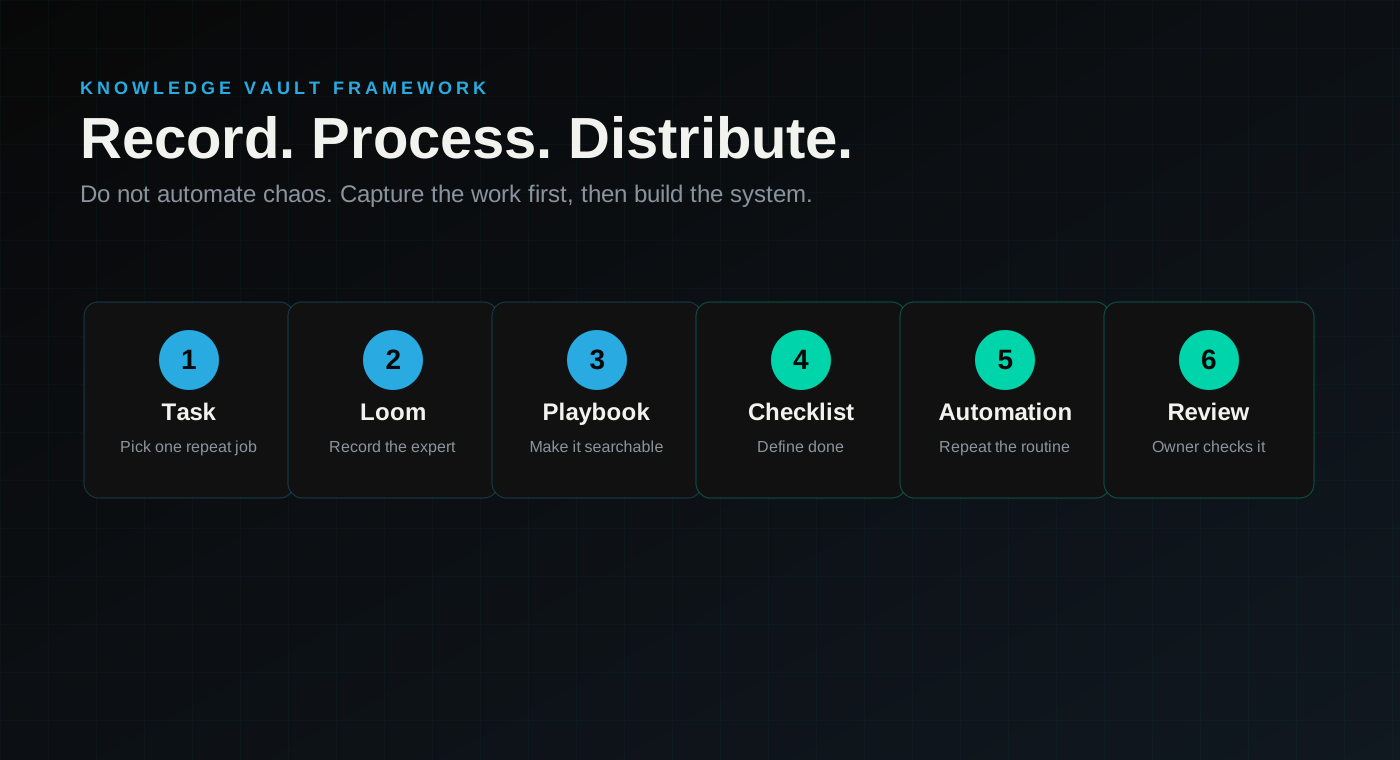
The Knowledge Vault flow: Task to Loom to Playbook to Checklist to Automation to Owner Review.
What to automate first
Start with the front-end of the business. That means the first few moments after a customer shows interest.
For most local firms, this includes new enquiry capture, missed call follow-up, WhatsApp first reply, appointment confirmation, review request, and CRM or Google Sheet logging.
This is where Webwise uses systems like LeadFlow to make sure enquiries do not disappear.
LeadFlow is not a replacement for your team. It is a support layer that helps your team reply faster, follow up better, and track every lead.
The actionable checklist
Use this in the next 7 days:
What this looks like in practice
Imagine a clinic where only one receptionist knows how to follow up with missed patient enquiries.
When she is available, leads are handled well. When she is busy, calls are missed, WhatsApp replies are delayed, and patients move to another clinic.
The fix is not to replace her.
The fix is to record her process, turn it into a checklist, create approved WhatsApp replies, and set up a basic lead capture flow.
Now the clinic keeps her expertise, even when she is not free.
FAQ
What is tribal knowledge?
Tribal knowledge is important business know-how that only exists inside one person's head.
Why is tribal knowledge risky for small businesses?
Because the business slows down or breaks when that person is absent, busy, or leaves.
How do I document business processes quickly?
Start with short Loom recordings. Then turn each recording into a clear checklist or playbook.
What should I automate first?
Automate repeated front-end tasks first, such as lead capture, missed call follow-up, WhatsApp replies, appointment reminders, and review requests.
Can AI fix tribal knowledge?
AI can help organise and speed up the process, but it cannot fix unclear work. First capture the process. Then automate it.